A comfortable home does not happen by accident. During hot afternoons or cold mornings, the temperature inside your house depends heavily on how well it is protected from outdoor conditions. While heating and cooling systems help regulate indoor air, insulation plays a major role in keeping that air where it belongs. Without proper insulation, energy escapes through walls, ceilings, and floors, making homes harder to keep comfortable.
One of the most widely used solutions for preventing this energy loss is batt fiberglass insulation. Known for its reliability and practicality, batt fiberglass insulation helps homeowners maintain steady indoor temperatures while improving overall energy efficiency. Keep reading to Learn More.
Understanding Batt Fiberglass Insulation
Batt fiberglass insulation is a type of insulation made from fine glass fibers that are formed into flexible sheets or blankets. These sheets are designed to fit between the framing of walls, ceilings, and floors. The insulation traps air within the fibers, which slows the transfer of heat through building materials.
Fiberglass insulation is created by melting glass and spinning it into extremely thin strands. These strands are layered together to form thick mats that provide thermal resistance. The trapped air pockets inside the fiberglass material play a major role in reducing heat flow.
Batt insulation is manufactured in pre cut panels that match common construction spacing. This design allows the insulation to fit between wall studs and ceiling joists without extensive trimming. Because of its standardized size and shape, batt insulation is often used in both new construction and renovation projects.
The ability to slow heat movement helps maintain comfortable indoor temperatures while reducing the workload on heating and cooling systems. This makes batt fiberglass insulation a practical solution for improving the overall energy performance of a home.
How Batt Fiberglass Insulation Improves Energy Efficiency
Energy efficiency is one of the primary reasons insulation is installed in homes. Without proper insulation, heat can easily move through walls, ceilings, and floors. This movement forces heating and cooling systems to operate more frequently.
Batt fiberglass insulation works by slowing down the transfer of heat between indoor and outdoor environments. During colder seasons, the insulation helps keep warm air inside the home. During warmer seasons, it helps prevent heat from entering through the roof and walls.
By maintaining a stable indoor temperature, the insulation reduces the demand placed on heating and cooling systems. When these systems operate less frequently, energy consumption decreases.
The result is a home that remains comfortable while using less energy to maintain desired temperatures. Over time this improvement in efficiency can contribute to lower energy costs.
Properly installed insulation also helps prevent sudden temperature changes within different areas of the house. Rooms remain more consistent in temperature, creating a more comfortable living environment.
The Structure and Design of Batt Insulation
Batt fiberglass insulation is designed to fit easily into the structural framework of a building. Most homes are constructed with wall studs and ceiling joists that are spaced at standard distances.
Manufacturers produce batt insulation panels that match these common spacing measurements. This allows installers to place the insulation directly between framing members with minimal adjustments.
The fiberglass material itself is lightweight yet dense enough to trap air effectively. The fibers are arranged in a way that allows them to hold their shape while remaining flexible enough to fit into various spaces.
Some batt insulation products include a facing material that acts as a vapor barrier. This facing layer helps reduce moisture movement within walls and ceilings. Controlling moisture is important for maintaining the effectiveness of insulation and preventing structural issues.
Because batt insulation is produced in standardized panels, it is often considered one of the most straightforward insulation materials to install.
Common Areas Where Batt Fiberglass Insulation Is Used
Batt fiberglass insulation is commonly installed in several areas throughout a home. One of the most common locations is within exterior walls. Insulating these walls helps reduce the transfer of heat between indoor spaces and the outdoor environment.
Attics are another key location for insulation. Warm air naturally rises, which means heat can escape through the roof if the attic is not properly insulated. Installing batt insulation in attic spaces helps retain heat during colder months.
Floors that are positioned above unheated areas may also require insulation. Batt fiberglass insulation can be installed between floor joists to help prevent heat loss and maintain comfortable temperatures in living spaces.
Basements and crawl spaces sometimes include batt insulation as well. These areas can allow cold air to enter the home if they are not properly insulated.
By placing insulation in these critical areas, homeowners can improve the overall energy efficiency of the building and maintain more stable indoor temperatures.
The Installation Process for Batt Fiberglass Insulation
Installing batt fiberglass insulation involves several important steps that ensure proper coverage and performance. The process usually begins with measuring the space between framing members.
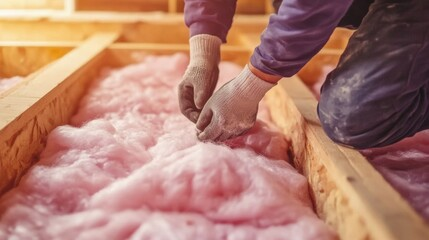
Because batt insulation is designed to match standard spacing, it can often be placed directly between wall studs or ceiling joists. The insulation is gently pressed into position so that it fills the cavity completely.
Careful installation is essential to prevent gaps or compressed areas. If insulation is compressed too tightly, its ability to trap air and resist heat flow may be reduced.
Openings around electrical outlets, pipes, and other obstacles are carefully adjusted to ensure that insulation covers as much of the space as possible.
In some cases, a vapor barrier facing may be secured to the framing using fasteners. This helps hold the insulation in place while also controlling moisture movement.
Proper installation ensures that batt fiberglass insulation performs as intended and provides consistent thermal protection throughout the home.
Advantages of Batt Fiberglass Insulation
Batt fiberglass insulation offers several advantages that contribute to its widespread use in residential construction. One of the most notable benefits is its ability to provide effective thermal resistance at a relatively affordable cost.
The material is widely available and can be installed in many types of construction projects. This accessibility makes it a practical option for homeowners seeking to improve insulation without extensive modifications to the structure.
Fiberglass insulation is also noncombustible because it is made from glass fibers. This property contributes to improved fire resistance within the building structure.
Another advantage is sound absorption. The dense layers of fiberglass fibers can help reduce the movement of sound between rooms, creating a quieter indoor environment.
The flexibility of batt insulation allows it to adapt to different construction designs. Whether installed in walls, ceilings, or floors, it can contribute to improved comfort and energy efficiency.
Maintaining the Effectiveness of Fiberglass Insulation
Although batt fiberglass insulation is designed to remain effective for many years, certain conditions can influence its performance. Maintaining a dry environment within insulated spaces is important because moisture can affect insulation properties.
Regular inspections of attics and crawl spaces allow homeowners to check for signs of moisture, compression, or disturbance. Ensuring that insulation remains evenly distributed helps maintain consistent performance.
Proper ventilation within attic spaces also supports insulation effectiveness. Ventilation helps control temperature and moisture levels, which can extend the life of insulation materials.
If renovations or repairs disturb existing insulation, additional insulation can be installed to restore full coverage.
By maintaining appropriate conditions and monitoring insulated areas, homeowners can ensure that their insulation continues to provide reliable thermal protection.
Conclusion: Why Batt Fiberglass Insulation Remains a Reliable Choice
Batt fiberglass insulation continues to be one of the most widely used insulation solutions in residential construction. Its ability to slow heat transfer, improve indoor comfort, and support energy efficiency makes it a valuable component of modern homes.
Through proper installation and maintenance, batt fiberglass insulation helps create a barrier that stabilizes indoor temperatures and reduces the workload on heating and cooling systems. The result is a more comfortable home environment and improved energy performance.
For homeowners seeking an effective and practical insulation option, batt fiberglass insulation offers a dependable solution that supports long term comfort and efficiency within the home.