Pests rarely arrive with an announcement. A few insects around a window, faint scratching behind a wall, or the occasional sighting of a rodent may seem insignificant at first, especially when there are no obvious signs of damage. Yet pest problems often develop quietly, giving unwanted insects and animals time to establish nesting areas, locate food sources, and become increasingly comfortable inside or around a property. By the time a homeowner sees pests regularly, the underlying problem may already be more extensive than it appears. This is why professional pest control service should not be viewed only as a response to an infestation. It can also be part of a proactive approach to protecting the home, maintaining a cleaner environment, and reducing the conditions that allow pests to return.
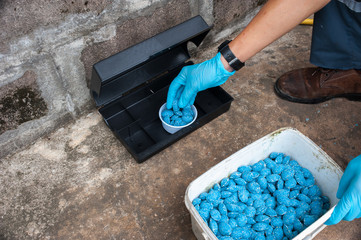
Modern pest control is increasingly focused on understanding why pests are present rather than simply eliminating whatever happens to be visible. Different pests are attracted by different conditions, and successful treatment depends on identifying those conditions and addressing them appropriately. Moisture, food, shelter, clutter, structural openings, vegetation, and sanitation can all contribute to pest activity. A professional pest control service can evaluate these factors and develop a treatment strategy based on the property’s specific circumstances. This creates a more thoughtful approach than repeatedly spraying the same areas whenever pests become noticeable. Head over to https://www.rodentretreattexas.com/mice-removal-texas to discover more.
The Problem With Waiting Until Pests Become Obvious
Many homeowners tend to think of an infestation as a clearly defined event. There is a belief that a few insects constitute a minor nuisance while a large number represents a genuine pest problem. In reality, the transition between occasional activity and an established infestation can be gradual. Some pests reproduce quickly, while others remain hidden for long periods. Rodents may move through concealed spaces, insects may establish colonies behind walls or in protected areas, and certain pests may be active primarily at night.
Because of this hidden activity, the number of pests a homeowner sees does not necessarily represent the size of the underlying population. A single visible pest may be an isolated visitor, but repeated sightings can indicate that the property is providing suitable food, water, or shelter. Recognizing this distinction is important because early intervention may prevent a small issue from becoming considerably more difficult to manage.
Professional pest control service can help determine whether visible activity is isolated or connected to a broader problem. Inspection is therefore an important part of the process. Instead of immediately focusing on treatment, a technician can look for evidence such as droppings, nesting materials, damage, entry points, trails, moisture conditions, and areas where pests are likely to hide.
Why Every Pest Problem Requires A Different Strategy
There is no universal treatment that works equally well for every pest. Insects and rodents differ in their behavior, nesting habits, food preferences, movement patterns, and points of entry. Even pests within the same broad category can require different management approaches.
For example, eliminating visible insects without addressing the location where they are nesting may provide only temporary relief. Similarly, removing a rodent without identifying how it entered the building leaves an opportunity for another one to take its place. Effective pest management therefore considers both the pest and the environment supporting its activity.
A professional approach generally revolves around several connected steps:
- Identify the pest and understand its behavior. Correct identification helps determine where the pest is likely to hide, feed, reproduce, and enter the property.
- Address the conditions supporting the problem. Reducing food sources, moisture, shelter, clutter, and access points can make the property less attractive to future pests.
This combination of identification and prevention is what separates long-term pest management from simply reacting to whatever appears in front of you.
Pest Control Begins With The Property Itself
One of the most useful shifts in modern pest control is recognizing that the property plays a major role in determining whether pests can thrive. A home can unintentionally provide everything an unwanted pest needs. Food may be accessible in kitchens or storage areas, water may be available around plumbing fixtures or damp spaces, and small openings can provide convenient entry routes.
Outdoor conditions matter as well. Overgrown vegetation, accumulated organic debris, standing water, poorly maintained storage areas, and gaps around structures can create attractive environments for insects and rodents. Once pests become established outside, moving indoors can be relatively easy if the building provides accessible openings.
A pest control service can identify these risk factors during an inspection and explain which changes may help reduce future activity. This makes the homeowner part of the long-term solution. Professional treatment can address an existing problem, but correcting the environmental conditions that attracted pests in the first place can make the results much more sustainable.
Common Signs That Should Not Be Ignored
Pest activity does not always announce itself through a large number of visible insects or animals. Often, the earliest clues are indirect. Homeowners may notice unusual sounds, small droppings, damaged packaging, unexplained odors, holes, nesting material, or marks around potential entry points.
Some insects leave trails or residue, while others may cause subtle damage to wood, fabrics, stored products, or other materials. Rodents can leave evidence around food storage areas, cabinets, walls, attics, garages, and other concealed spaces. Even repeatedly finding dead insects indoors may indicate that there is a larger source nearby.
Paying attention to these signs can make pest management easier. Waiting until activity becomes overwhelming can give pests more time to reproduce and spread. If evidence continues to appear despite basic cleaning and prevention efforts, a professional inspection can help determine what is actually happening.
Professional Pest Control Can Reduce Repeated Pest Problems
One of the most frustrating experiences for homeowners is treating a pest problem only to see it return. This often happens because the visible pests were addressed without solving the underlying conditions. If a property continues to offer food, moisture, shelter, or easy access, new pests may eventually appear.
A professional pest control service can approach recurring problems differently by looking for patterns. Where are pests appearing? Are they concentrated in one area? Are they entering from outside? Is there a moisture source? Are there structural gaps that need attention? Does seasonal weather influence activity? Answering these questions can provide a clearer explanation for why the problem keeps returning.
Recurring infestations may require a combination of treatments and preventive measures rather than a single application. Monitoring can also be useful because it provides information about whether pest activity is declining or continuing in specific areas.
The Importance Of Safe And Responsible Pest Management
Pest control is not simply about eliminating unwanted organisms as quickly as possible. Treatment should also be approached responsibly, particularly in homes where people, pets, food, and personal belongings are present. The products and methods used should be appropriate for the target pest and applied according to their intended use.
Professional pest control technicians are trained to consider application areas, pest behavior, environmental conditions, and appropriate treatment methods. This can help reduce unnecessary exposure and prevent indiscriminate treatment. Homeowners should also follow any preparation, re-entry, ventilation, cleaning, or other instructions provided as part of the service.
Responsible pest management focuses on using the appropriate method for the specific problem rather than assuming that more product automatically produces better results. The objective is effective control with a thoughtful approach to the surrounding environment.
Pest Prevention Is A Long-Term Home Maintenance Strategy
The best pest control strategy does not end when visible pests disappear. Prevention should continue afterward because properties remain exposed to the same environmental conditions that originally attracted pests. Regular cleaning, proper food storage, moisture control, waste management, and structural maintenance can all help reduce the likelihood of future infestations.
Small maintenance tasks can make a meaningful difference. Sealing gaps around doors, windows, utility penetrations, and other potential entry points can limit access. Keeping food in secure containers can reduce available food sources, while promptly addressing leaks and damp areas can eliminate unnecessary moisture.
Homeowners can also make routine inspections part of their normal property maintenance. Looking around storage areas, exterior walls, crawl spaces, garages, attics, kitchens, and other vulnerable locations may help identify early warning signs before they become major problems.
Seasonal Changes Can Influence Pest Activity
Pest activity often changes with environmental conditions. Temperature, rainfall, humidity, food availability, and changes in outdoor habitat can influence when and where pests become active. Some pests become more noticeable when outdoor conditions become unfavorable, while others take advantage of periods when food and shelter are abundant.
This means pest control should not necessarily be viewed as a one-time annual event. The appropriate service frequency depends on the property, pest pressure, environmental conditions, previous infestations, and risk factors. A professional can help determine whether periodic treatments, monitoring, or targeted service makes sense for a particular situation.
Understanding seasonal patterns can also help homeowners become more proactive. If certain pests repeatedly appear during the same period each year, preventive measures can potentially be taken before activity reaches its peak.
Why DIY Pest Control Does Not Always Solve The Problem
There is certainly a place for basic homeowner pest prevention. Keeping the home clean, storing food correctly, removing standing water, maintaining landscaping, and sealing obvious openings are sensible steps. However, persistent or extensive pest activity can be more complicated than a homeowner realizes.
Store-bought products may address visible pests without reaching hidden nests, breeding areas, or entry points. In some situations, incorrect identification can also lead to the wrong treatment altogether. A homeowner may believe one type of insect is responsible when another species is actually involved, resulting in repeated efforts that fail to address the source.
Professional pest control service becomes particularly valuable when activity continues despite reasonable prevention measures, when pests are appearing in multiple areas, or when there is evidence of nesting, structural damage, or a significant population. Professional evaluation can replace guesswork with a more targeted management plan.
Protecting The Home From More Than An Inconvenience
Pest problems are often described as annoying, but the consequences can extend beyond inconvenience. Certain pests can damage building materials, contaminate food, affect stored belongings, interfere with insulation, or create conditions that are unpleasant for occupants. Some infestations can also become increasingly difficult to control as populations grow.
This is why pest management belongs alongside other forms of home maintenance. Just as homeowners inspect roofs, plumbing, electrical systems, and heating or cooling equipment, they should also pay attention to conditions that could encourage pest activity. Prevention can be much easier when pest risks are treated as part of overall property care rather than an isolated problem.
A well-maintained home is not necessarily a pest-proof home, but it can be less attractive and less accessible to unwanted insects and animals. Combining property maintenance with professional pest management when necessary provides a more comprehensive layer of protection.
Choosing A Pest Control Service With Long-Term Results In Mind
When selecting a pest control service, homeowners should consider more than whether a company promises quick elimination. A good service should begin with an understanding of the problem and include appropriate inspection, treatment, prevention, and communication. Homeowners should know what pests have been identified, what areas require attention, what preparation may be necessary, and what preventive steps can help reduce recurrence.
It is also worth asking whether the service focuses on a specific pest problem or offers an ongoing management approach. The right option depends on the situation. A single isolated issue may require targeted treatment, while properties with recurring activity may benefit from regular inspections and preventive service.
Clear communication is particularly important because pest control is most effective when professional treatment and homeowner prevention work together. A technician can address pest activity, but homeowners control many of the everyday conditions inside the property that influence whether pests return.
A More Proactive Way To Think About Pest Control
Pest control service is most effective when it becomes part of a larger strategy rather than a last-minute reaction. The goal is not merely to eliminate what is visible today but to understand why pests appeared, what conditions are supporting them, and what can be done to make the property less inviting in the future.
For homeowners, that means paying attention to early warning signs, maintaining clean and dry spaces, addressing structural openings, protecting food and waste, and seeking professional assistance when pest activity becomes persistent or difficult to identify. Professional service adds another layer by providing inspection, pest identification, targeted treatment, monitoring, and prevention strategies that may not be possible through basic DIY methods alone.
A home should be a place where unwanted pests have as few opportunities as possible to establish themselves. With a combination of responsible maintenance and professional pest control service when needed, homeowners can move away from the cycle of seeing pests, treating symptoms, and waiting for them to return. A proactive approach creates a healthier maintenance routine, protects the condition of the property, and provides greater confidence that small signs of pest activity will not be allowed to become larger problems.
