A heat pump is one of the most versatile systems a homeowner can have because it is designed to do more than simply produce warm or cool air. By transferring heat rather than generating it in the traditional sense, a heat pump can help maintain a comfortable indoor environment while operating efficiently throughout changing weather conditions. However, even an efficient system cannot perform at its best indefinitely without proper attention. Heat pump service plays an important role in keeping the equipment dependable, efficient, and ready to respond when indoor temperatures begin to change. Instead of viewing service as something that only happens after a breakdown, homeowners can think of it as part of a broader strategy for protecting comfort, controlling energy use, and extending the useful life of the equipment.
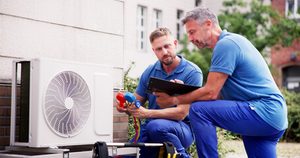
The real value of professional heat pump service often becomes apparent gradually. A system may continue running even when its performance has started to decline, making it easy to overlook developing problems. Airflow can become weaker, components can become dirty, electrical connections can deteriorate, and the system may begin operating for longer periods to achieve the same indoor temperature. Because these changes can happen slowly, homeowners may simply assume that the equipment is getting older or that seasonal conditions are responsible. Regular maintenance creates an opportunity to identify these issues before they turn into more disruptive and expensive problems. Check out https://denverheatpumpservice.com/ for more details.
Why Heat Pump Service Matters More Than Most Homeowners Realize
A heat pump is made up of multiple components that must work together to move heat efficiently. The compressor, coils, blower, fan, refrigerant circuit, electrical components, thermostat, filters, and other controls all influence how well the system operates. When one part begins performing poorly, the impact can extend throughout the system. For example, restricted airflow can make the equipment work harder, while a malfunctioning control can cause unnecessary cycling or prevent the system from reaching the desired temperature.
Professional heat pump service provides a structured way to evaluate these components rather than focusing only on the most obvious symptom. A technician can inspect the system, identify abnormal operation, clean appropriate components, check electrical connections, evaluate airflow, and look for signs of wear. This broader approach matters because the source of a comfort problem is not always where the homeowner expects it to be. A system that seems to have a heating problem, for instance, could actually be suffering from airflow restrictions or a control issue.
There are several practical benefits associated with maintaining a heat pump properly:
- More consistent performance: Routine maintenance helps the system deliver heating and cooling more reliably instead of allowing small performance issues to accumulate.
- Better efficiency: Clean components, adequate airflow, and properly functioning controls can reduce unnecessary strain and help the equipment operate closer to its intended performance.
These benefits are particularly important because a heat pump is often expected to operate for long periods during both heating and cooling seasons. The more frequently the system runs, the more important its condition becomes.
Heat Pump Maintenance Is About More Than Cleaning
One common misconception is that heat pump maintenance mainly involves changing the filter and removing visible dust. While filter replacement and cleaning are important, professional service goes considerably further. A comprehensive inspection considers the mechanical, electrical, airflow, refrigerant, and control aspects of the equipment.
The condition of the air filter is an important starting point because a clogged filter can restrict airflow and force the blower to work harder. However, even a clean filter cannot compensate for other problems within the system. Coils may accumulate dirt, outdoor components may become obstructed, drainage areas may develop blockages, and electrical connections can loosen over time. Each of these conditions can influence efficiency and reliability.
A technician may also examine operating temperatures, airflow, system controls, refrigerant-related performance, and the condition of important components. The objective is not simply to make the equipment look clean. The objective is to confirm that the system is operating safely and efficiently and to identify conditions that could interfere with performance later.
Recognizing the Signs That Your Heat Pump Needs Attention
Homeowners do not always need to wait for a complete system failure before arranging heat pump service. In fact, some of the most useful maintenance opportunities occur when the system is still operating but showing subtle signs of trouble. Changes in performance can provide valuable clues that something inside the equipment needs to be evaluated.
A heat pump that runs considerably longer than normal, struggles to maintain the selected temperature, produces unusual sounds, or cycles on and off more frequently than expected deserves attention. Likewise, unexpected increases in energy consumption can sometimes indicate that the equipment is working harder than it should. Weak airflow, inconsistent temperatures between rooms, unusual odors, or repeated thermostat adjustments can also indicate developing problems.
A particularly important warning sign is a noticeable change in comfort. If the system used to maintain indoor temperatures easily but now seems to run constantly without producing the same result, ignoring the change may allow a relatively manageable problem to become more serious. Prompt inspection can help determine whether the issue is related to airflow, controls, mechanical components, refrigerant performance, or another part of the system.
Seasonal Service Can Prepare the System for Heavy Use
Heat pumps have an interesting workload because they may be used for both heating and cooling. That means the equipment can experience substantial operating demand throughout the year. Rather than thinking of maintenance as a once-in-a-while chore, homeowners can consider seasonal service as a way to prepare the system for the conditions in which it will be working hardest.
Before a period of increased heating demand, service can help identify issues that might interfere with reliable operation. Likewise, inspection before heavy cooling use can help ensure that airflow, coils, controls, and other components are ready for extended operation. The exact maintenance schedule depends on the equipment, operating conditions, manufacturer recommendations, and household needs, so a professional assessment can help determine an appropriate interval.
This approach has another advantage: it reduces the likelihood of discovering a problem when the system is needed most. A minor issue found during routine service is generally easier to address than an unexpected failure that occurs during a period of extreme indoor temperature.
Better Efficiency Starts With Proper System Condition
Energy efficiency is one of the major reasons homeowners choose heat pump technology, but the equipment’s efficiency depends heavily on its operating condition. A heat pump that is dirty, restricted, poorly adjusted, or suffering from component problems may consume more energy while delivering less effective heating or cooling.
This is why heat pump service should be considered an efficiency strategy rather than simply a repair expense. When the system can move heat effectively and maintain proper airflow, it does not need to compensate unnecessarily for restricted or inefficient operation. Keeping the equipment in good condition can also help homeowners recognize performance changes sooner.
Efficiency should not be viewed solely through the lens of monthly utility costs. Operating stress can also affect equipment longevity. A system that repeatedly works harder than necessary may experience additional wear on components. Maintaining proper operation can therefore support both immediate efficiency and long-term equipment reliability.
The Connection Between Airflow and Comfort
Airflow is one of the most overlooked aspects of heat pump performance. Homeowners often focus on whether the thermostat reaches the desired setting, but the amount and quality of air moving through the system are equally important. Restricted airflow can reduce comfort, increase operating strain, and contribute to uneven temperatures.
Filters are an obvious consideration, but airflow can be influenced by several other factors. Dirty coils, obstructed vents, blower problems, duct restrictions, and other conditions can interfere with circulation. A professional heat pump service visit can help determine whether the equipment is moving air as effectively as it should.
Good airflow also helps the system respond more predictably to thermostat demands. When conditioned air can move through the home properly, rooms are more likely to receive the intended heating or cooling. This can reduce the temptation to continually adjust the thermostat in an attempt to compensate for uneven comfort.
Preventive Service Can Protect Against Larger Repairs
No maintenance plan can guarantee that a heat pump will never fail. Mechanical and electrical components eventually wear out, and unexpected problems can occur. However, preventive service can improve the chances of identifying certain developing problems before they result in a major interruption.
For example, a technician may notice unusual component wear, deteriorating electrical connections, restricted airflow, drainage concerns, or other conditions during a routine inspection. Addressing those concerns early can sometimes prevent secondary damage and reduce the likelihood of an emergency repair.
This is especially valuable when a heat pump is older. As equipment accumulates operating hours, maintenance becomes increasingly important because components have had more time to experience wear. A professional can help homeowners understand whether continued repairs are reasonable or whether replacement should eventually be considered.
Heat Pump Service and Equipment Longevity
Replacing a heat pump is a significant household expense, so maximizing the useful life of existing equipment can be financially important. Proper maintenance cannot make aging equipment last forever, but it can help protect the system from avoidable stress.
A well-maintained heat pump is less likely to suffer from problems caused by neglected filters, restricted airflow, dirty components, or unresolved minor issues. Routine attention also creates a maintenance history that can make it easier to track recurring problems and determine whether the system is gradually becoming less reliable.
Homeowners should also recognize that longevity is not simply about keeping equipment running for as many years as possible. A system that technically operates but requires frequent repairs, delivers inconsistent comfort, or consumes excessive energy may no longer provide good value. Heat pump service can help reveal where the equipment stands so homeowners can make informed decisions about repair, maintenance, or eventual replacement.
Choosing the Right Approach to Heat Pump Service
When arranging professional service, homeowners should look beyond the idea of finding someone who can simply fix a malfunction. A quality service approach should include inspection, diagnosis, maintenance, and clear communication about the condition of the equipment. The technician should be able to explain what was found, why a repair or adjustment is recommended, and what could happen if an identified issue is ignored.
It is also useful to distinguish between routine maintenance and emergency repair. Preventive service focuses on evaluating and maintaining the system while it is still functioning properly. Repair service, on the other hand, addresses a known problem that is already affecting performance. Both are important, but relying exclusively on emergency repairs can result in higher costs, greater inconvenience, and more unpredictable equipment performance.
Homeowners should also keep basic records of maintenance and repairs. Knowing when filters were changed, when inspections occurred, and what components have previously required attention can help establish a clearer picture of the system’s condition over time.
A Smarter Way to Think About Heat Pump Care
The most effective approach to heat pump service is not to wait until the system becomes impossible to ignore. Instead, maintenance should be treated as an ongoing part of responsible homeownership. A heat pump represents a substantial investment in indoor comfort, and maintaining that investment requires attention to performance, efficiency, airflow, cleanliness, and component condition.
Regular service can help homeowners catch developing issues, maintain dependable operation, and make better decisions about the future of their equipment. It can also provide greater confidence that the system is prepared for periods of increased demand. Rather than seeing maintenance as an unnecessary expense, it makes more sense to view it as a way of managing the costs and risks associated with owning mechanical equipment.
Ultimately, professional heat pump service is about more than repairing a machine. It is about maintaining a comfortable indoor environment while protecting efficiency, reliability, and equipment longevity. With routine inspections, timely repairs, proper airflow, and sensible preventive maintenance, homeowners can give their heat pump a better opportunity to perform effectively throughout its service life.
